Look around you right now. A bottle, a pen, a charger, a food wrapper, a toothbrush. Plastic is cheap, light and durable, which is exactly why it has taken over our lives. It is also why it has become one of the biggest environmental problems of our time.
Plastic Never Really Goes Away
Plastic does not decompose the way leaves, paper or food scraps do. It only breaks into smaller and smaller pieces over hundreds of years. Nearly all the plastic ever made still exists in some form, in landfills, rivers, soil and the sea. A bag used for ten minutes on the way home can outlast the person who carried it.
Recycling Is Not the Full Answer
We like to believe that dropping plastic in the right bin solves the problem. In reality, only a small share of plastic, under 10% globally by most estimates, has ever been recycled. Many plastics cannot be recycled at all, others lose quality each time, and a lot of "recyclable" waste ends up burned or dumped. Meanwhile, production keeps rising every year.
Our Oceans and Wildlife Pay the Price
Millions of tonnes of plastic enter the oceans every year. Turtles mistake bags for jellyfish, seabirds feed plastic fragments to their chicks, and fish and whales are found with stomachs full of debris. On land, cattle and street animals often swallow plastic along with food waste. In many towns and cities, plastic also clogs drains and makes flooding worse.
Microplastics Are Inside Us
Plastic does not just litter the landscape, it gets into our bodies. Tiny fragments called microplastics have been found in drinking water, salt, seafood, soil and even the air. Researchers have detected them in human blood and lungs. The full health impact is still being studied, but several chemical additives used in plastics are linked to hormone disruption and other health concerns.
Burning Plastic Is Not Safe Either
Where waste is not collected, plastic is often burned in the open. This releases toxic fumes that harm our lungs and pollute the air everyone breathes. Plastic is also made from fossil fuels, so every new product adds to greenhouse gas emissions and climate change.
What We Can Do
We may not be able to go plastic-free overnight, but small choices add up quickly:
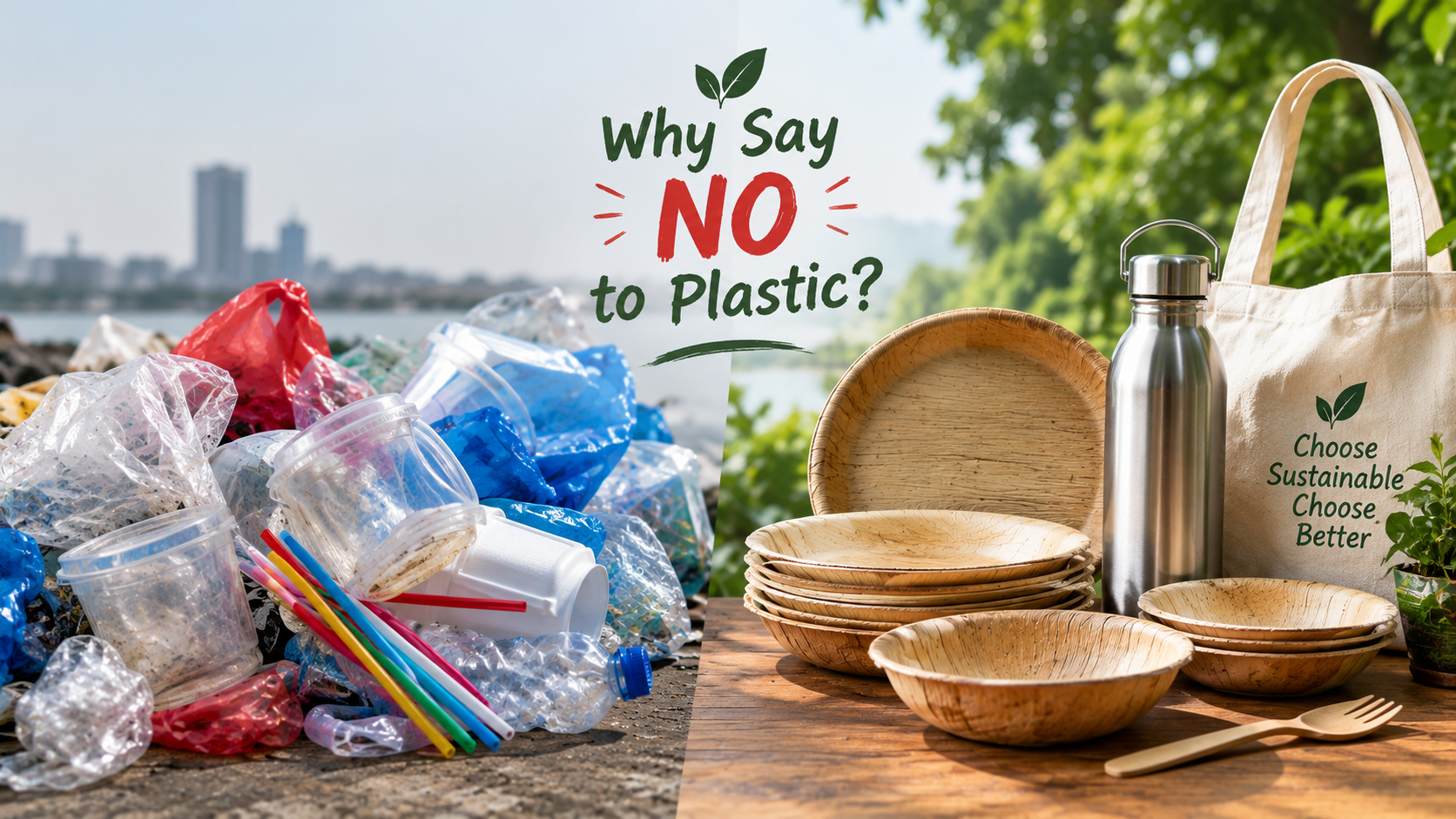
- Carry reusables. A cloth bag, a steel bottle and your own cup or tiffin cut out thousands of single-use items over a lifetime.
- Refuse what you don't need. Say no to plastic straws, cutlery and extra packaging.
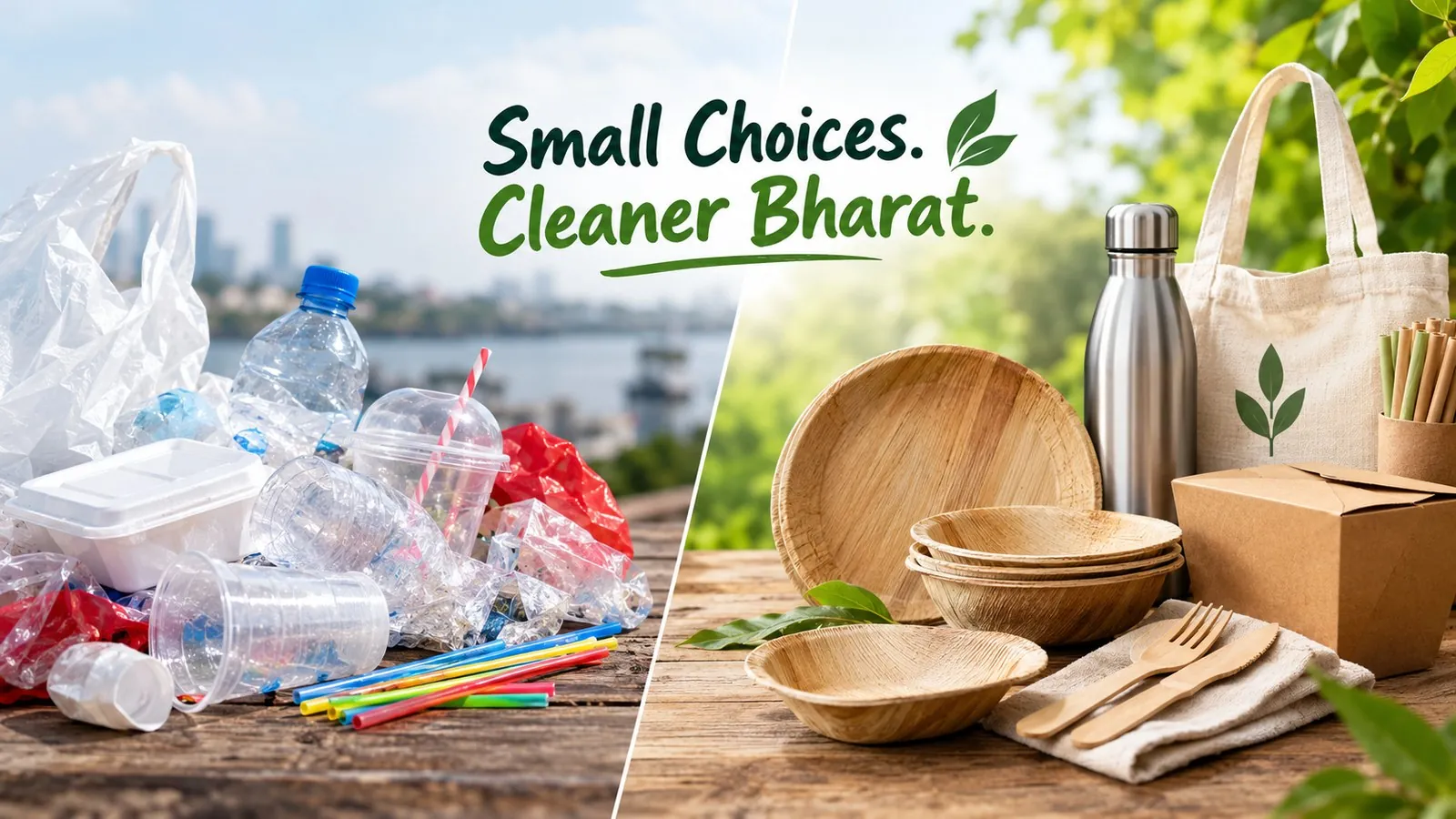
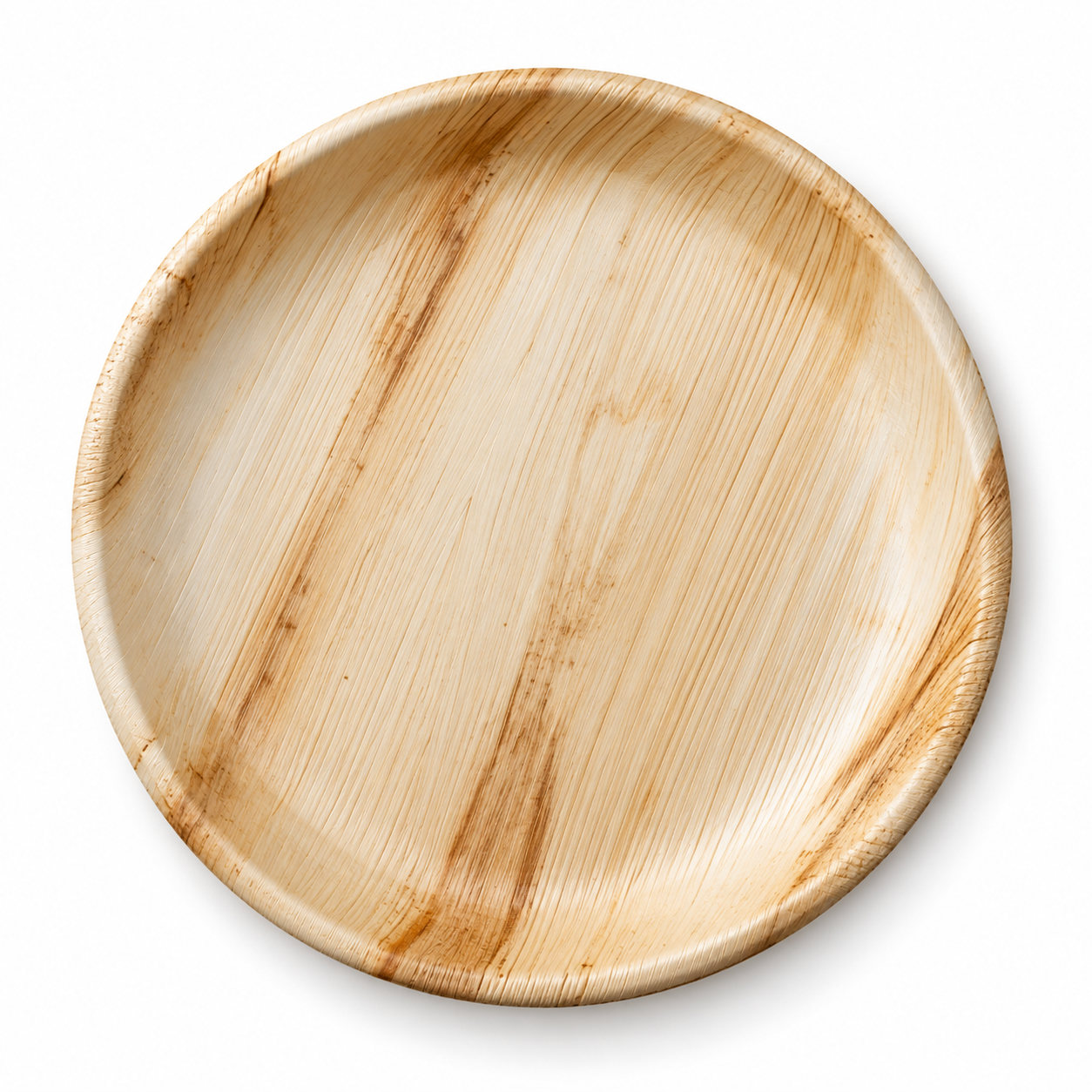
- Choose natural alternatives. Areca leaf plates, bowls and cutlery, jute and cloth bags, glass, steel, clay and wood are all trusted, long-lasting options.
- Buy loose and local. Fewer wrappers means less waste.
- Support better policy. Rules on single-use plastic only work when communities back them.
The Bottom Line
Plastic made life convenient, but we have been paying for that convenience with our oceans, our health and our future. Every plastic item you choose not to buy is a small vote for a cleaner world. The best time to cut back was years ago. The next best time is today.
Note: Plastic still has essential uses, such as medical equipment, and the goal is to cut unnecessary and single-use plastic, not every last item.